Tick Season
The PDSA reported treating 2,545 dogs for tick related issues in the UK in 2015.
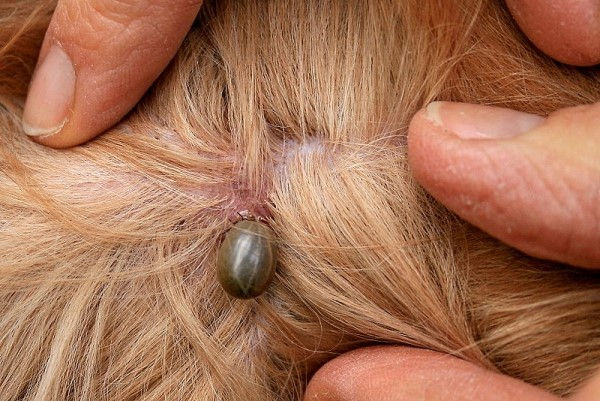
Ticks are parasitic arthropods, which burrow their heads into a dog’s skin to feed on his blood. As well as this presenting an uncomfortable image, it can also put a dog’s health at risk of disease. The main tick related wo such diseases are detailed below.
Lyme Disease (Borreliosis). As this disease is zoonotic, it can be extremely dangerous for dogs and humans.
Lyme disease is one of the most common tick transmitted diseases in the world, and it is on the increase in the UK. A report published by the PDSA, in April last year, details 100 cases of confirmed Lyme disease in 2015, an increase of 560% since the 15 cases reported in 2009. They also report that the disease has increased by 260% in humans (268 reported cases in 2001 and 959 in 2011). Lyme disease is caused by the Spirochete species of bacteria found in the Borrelia Burgdorferi Group and is transmitted by the Ixodes tick (slow-feeding, hard-shelled deer ticks). Foxes and hedgehogs are also common carriers of ticks. Dogs can be affected by Lyme disease if a tick has been attached for two to three days. So, it is very important to check and remove ticks after every walk.
A vet will need to diagnose Lyme disease and assess which, if any, organs are affected. This may be done through a number of tests including blood, urine, faeces, x-ray and possible fluid extraction from the joints. If you suspect Lyme disease, you should seek veterinary advice immediately. The symptoms which may indicate Lyme disease are:
Mobility Problems – Lameness/limping, is the most common symptom of Lyme disease due to joint inflammation. Your dog may also get what is known as “shifting leg lameness”, where he puts all his weight on one leg and then switches to the other leg. This may last 3-4 day, but then re-occur a week later. He may also have a stiff walk and an arched back.
Lyme-related Arthritis – Joint inflammation and discomfort may be Lyme-related arthritis and this may also affect his mobility. There are many types of arthritis, so your vet would need to diagnose whether this would be related to Lyme or another type of arthritis.
Myalgia – He may be sensitive to touch, due to muscle pain.
Lethargy – You may notice your dog sitting or lying down more than usual. He may appear to be tired and exercise intolerant. This is due to the immune system producing anti-bodies and white blood cells to fight the disease. He may also appear depressed or low.
Raised Temperature (Hyperthermia)/Fever - Again, as the immune system fights infection, the dog’s temperature will be higher than normal. Hyperthermia will cause the dog to drink more water and urinate more frequently, so these things can also be an indicator.
Swollen lymph nodes (Lymohadenopathy) – These would usually occur near the site of the tick bite. A “bull’s eye” lesion may appear around the bite area and in some cases the dog may develop a rash.
Digestive Tract – There may be a lack of appetite due to an upset digestive tract. This may also indicate renal failure in severe cases.
Vomiting and Diarrhoea – This may be because of an upset digestive system, but can also indicate renal failure in severe cases.
Multiple Organ Damage – This may include renal failure (kidneys), liver disease and heart disease. Breathing difficulties may indicate heart problems. Liver and heart disease are very rare and are only seen in the most severe cases of Lyme disease, but social media forums would indicate that there are some unfortunate families who lose their dogs in these extreme cases of Lyme disease. Labradors, Golden Retrievers, Shetland Sheepdogs and Bernese Mountain dogs appear to be most prevalent to kidney problems.
Nervous System Disease – This is also very rare, but Lyme disease can lead to nervous system diseases, such as Meningitis. In these cases, the symptoms would be the same as you would witness in humans.
Prevention is better than cure with Lyme disease. So, in order to keep your dog safe, check regularly for ticks, especially after walking and remove them as soon as possible, preferably with tick tweezers to prevent leaving any part of the tick in your dog. You may want to avoid walking in wooded areas, moorlands and long grass, particularly where deer are known to frequent. There are many over the counter treatments, such as sprays, collars, spot-on, drontal and some flea treatments, which may help prevent Lyme disease, but it is advisable to speak to your vet about the best option for your dog. In some cases, your vet may prescribe a Lyme vaccination or Bravecto (Fluralaner); although these can be quite harsh on your pet. I have used Bravecto and it is extremely affective, killing the tick as soon as it bites the dog. However, dogs can have a severe reaction to the tablet and may be sick for several days after taking it.
The prognosis for Lyme disease in dogs is good, even when not treated, but in some cases, if left untreated, it can be fatal or cause long term problems. So it is always advisable to seek the advice of your vet if you suspect your dog has Lyme disease. Recommended treatment by the vet is usually four weeks of antibiotics, such as Doxycycline or Amoxicillin. An anti-inflammatory may also be prescribed. Dogs will only be admitted as an in-patient, in severe cases. Although the antibiotics should eliminate infection, symptoms have been known to re-occur at a later date.


Comments